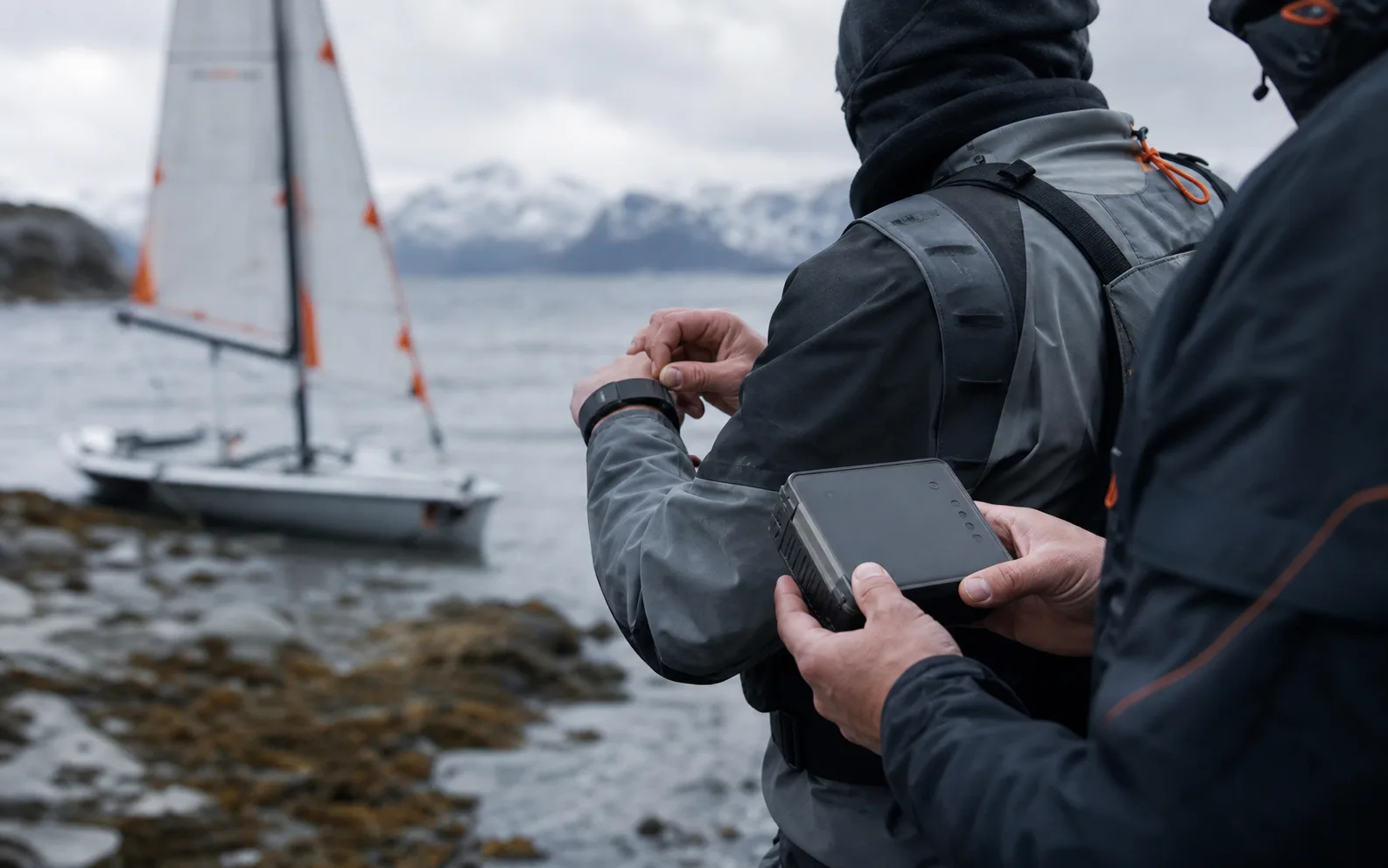
Sports Tech is Sever’s R&D direction. We do not begin by promising a finished product: first we define what needs to be observed in training, then adapt the measurement system, record data and determine whether the result is useful to the athlete and coach.
What works today
A working system and in-house algorithms
01Inertial sensors and firmware
02Field data logging
03Acceleration and angular velocity
04Orientation and heading
05Position along the route
06Movement-phase detection
07Data-analysis algorithms
08Discipline-specific adaptation
Pilot project
How we work with a team
1Define the question
2Adapt the system
3Record the session
4Analyze the data
5Agree the next step
Current work
Working, in development and still exploratory
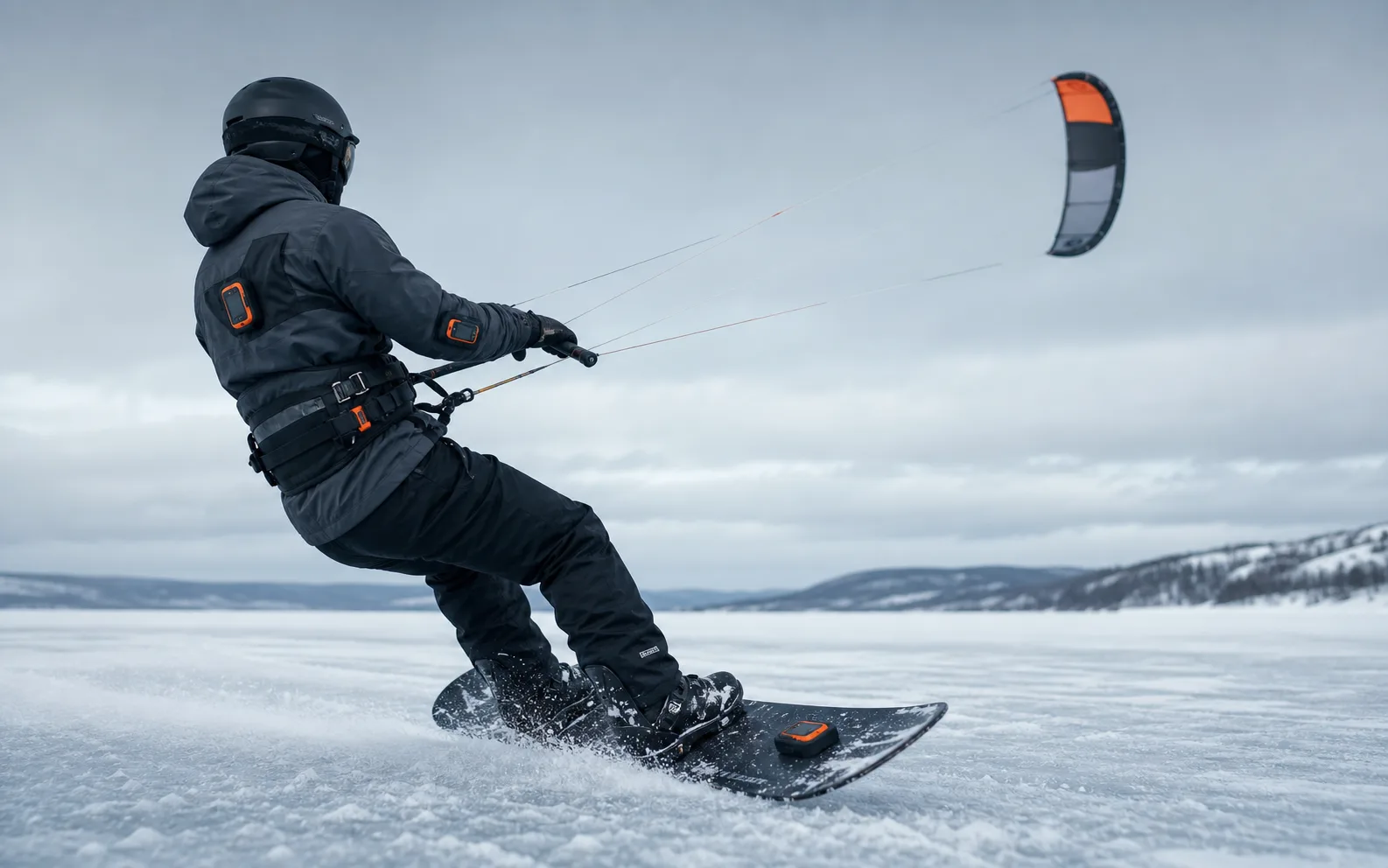
Direction illustration · not a prototype photograph
01Working prototype · field-tested
Motion data system
A system combining inertial sensors, custom firmware, data logging and analysis algorithms. It measures acceleration, angular velocity, orientation, heading and position, then supports identification of movement phases after a session.
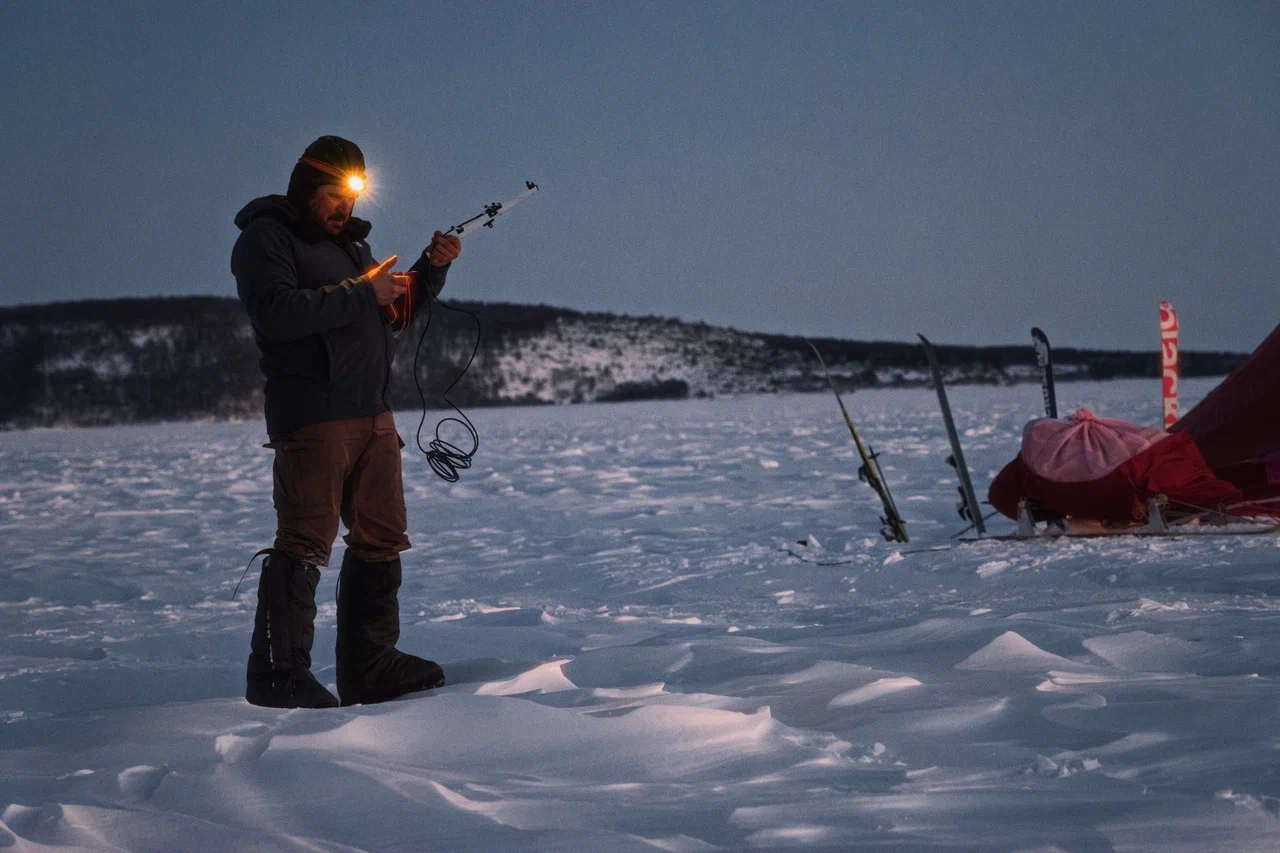
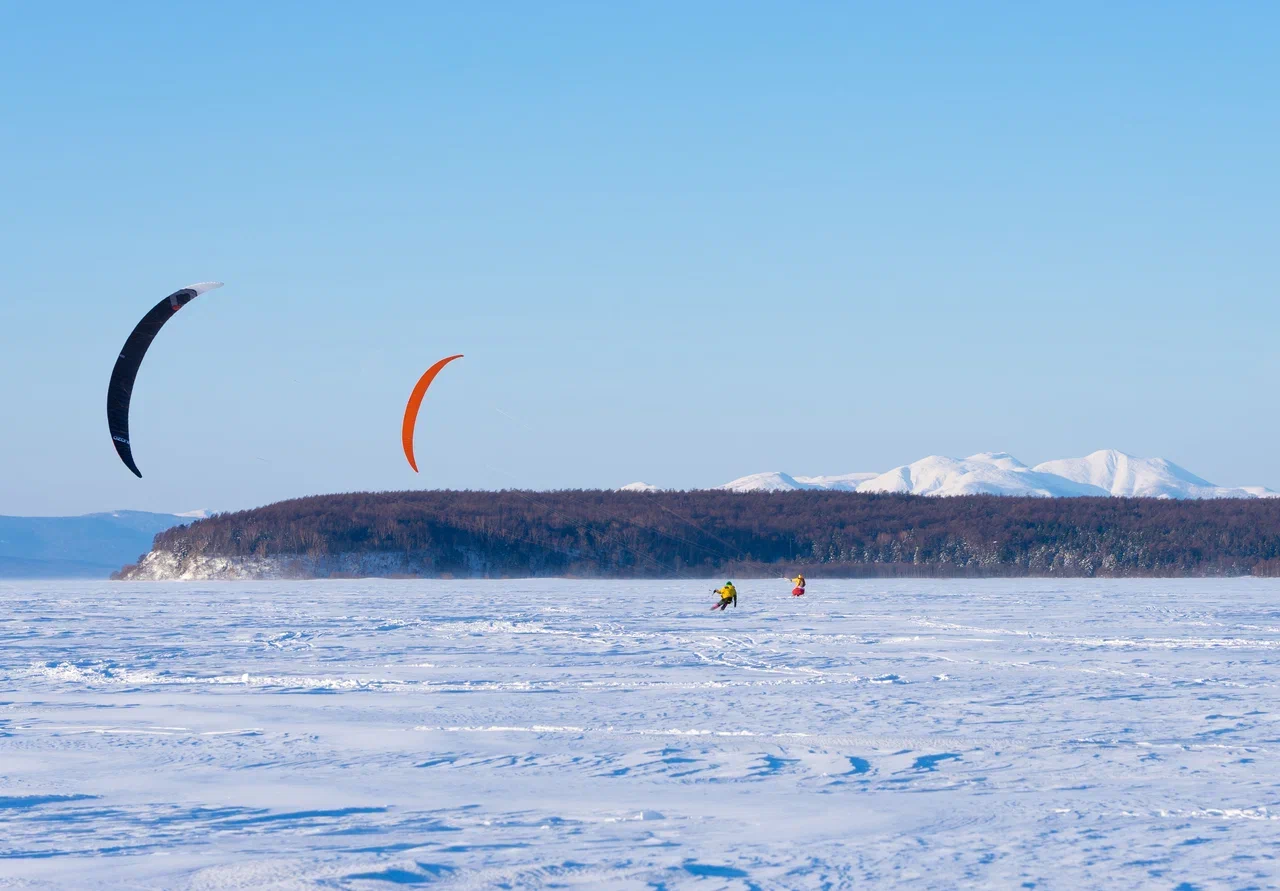
The prototype has been tested on snowkiting expeditions and during sailing training. It is currently a large engineering prototype rather than a compact wearable device.
It is available for measurement sessions, recorded-data analysis and adaptation to a team’s specific problem. Multi-sensor synchronization and automatic maneuver timing are not yet implemented.
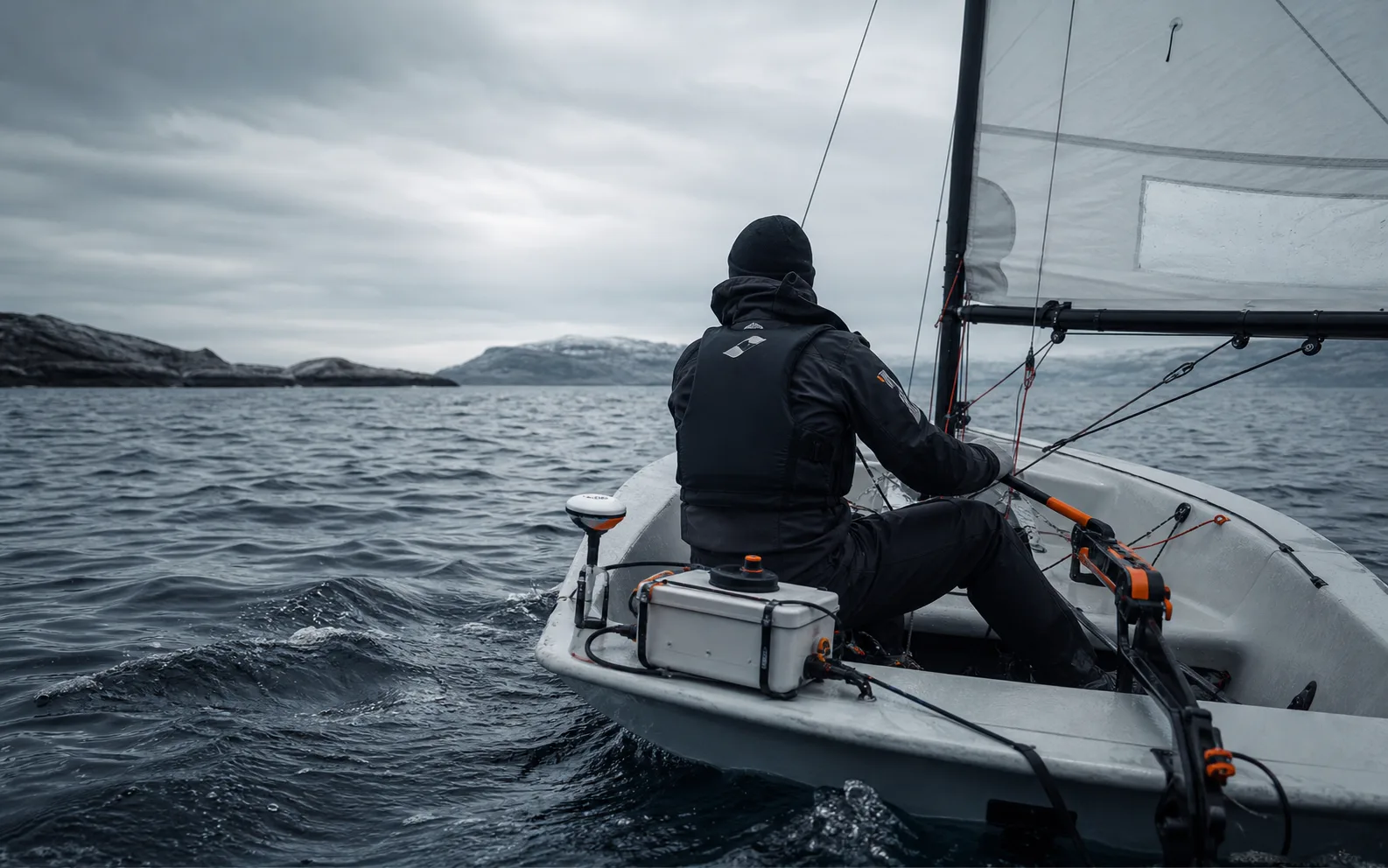
Direction illustration · not a prototype photograph
02Active R&D
Sailboat autopilot
An exploratory project investigating navigation, heading estimation and control of a small sailing boat. The autopilot is in active development and provides a platform for testing engineering ideas.
It is an independent research project within the team, not a finished system for sports schools or a serial product.
We do not offer the autopilot as a product or claim compliance with class rules or marine-safety requirements.
Direction illustration · not a prototype photograph
03Research direction
Feedback during training
The foundation already exists: the system collects training data and supports analysis after recording. The next step is to establish which measurements are genuinely useful to return to the athlete during a session.
Feedback algorithms and audio or haptic cues have not yet been implemented. They should only be developed with a coach and around a specific training problem.
We distinguish the working data-collection system from the future feedback layer and do not present it as a finished product.
Next steps
What remains to be built
01Reducing the measurement unit’s size
02Synchronizing multiple sensors
03Automatic maneuver timing
04Validating useful feedback scenarios
For schools, coaches and teams
A problem worth measuring?
We can run a measurement session, analyse recorded data, adapt sensors and firmware to a discipline, or develop a new prototype together. We begin with the training question and define honestly what can already be measured.